Boots and gloves are mostly a comfort decision with a safety floor underneath. Head, eye and high-visibility gear is the opposite: the rating stamped on the product IS the product, and almost every bad purchase in these three categories comes from buying a thing that looks right and carries the wrong class. A vented hard hat offers no electrical protection. A Class 2 vest does not satisfy a Class 3 requirement by being new. A safety glass without the plus symbol is not high-impact rated. None of that is visible in a product photograph.
So this hub is organized around the standards rather than around brands. Three American standards do nearly all the work here, and once you can read them the shopping takes ten minutes: ANSI Z89.1 for head protection, ANSI Z87.1 for eye and face protection, and ANSI/ISEA 107 for high-visibility apparel. OSHA does not certify products; it requires that your employer provide equipment meeting a recognized standard where a hazard exists, which is why the standard number and not the word "OSHA approved" is what you look for on a label.
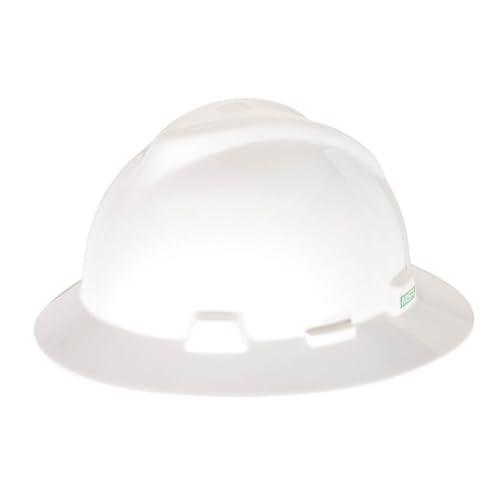
ANSI Z89.1 answers two separate things about a hard hat and people routinely conflate them. The type is about impact direction: Type I is rated for a blow to the top of the head only, which is the classic falling-object hazard and covers the large majority of hard hats sold. Type II adds lateral impact - a strike from the side, front or back - and usually comes with a chin strap, because protection from a sideways blow is worthless if the hat is already on the floor. Type II is where large contractors have been moving, particularly for work at height.
The class is about electricity and it is entirely separate. Class G (general) is tested to 2,200 volts. Class E (electrical) is tested to 20,000 volts. Class C (conductive) offers no electrical protection at all - and this is the one that catches people out, because every vented hard hat is Class C by definition. The vents that make a hat bearable on a hot roof are holes in your electrical protection. If you work near energized conductors, you need a solid shell, and you need to read the stamp inside it rather than trusting a listing title. Our hard hat picks sort the field by exactly these two axes.
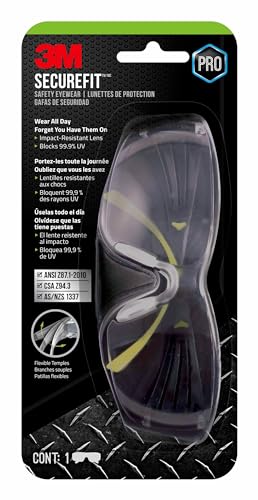
ANSI Z87.1 covers eye and face protection, and the marking on the lens and frame tells you what you have. A bare Z87 marking means basic impact. Z87+ means the lens passed the high-impact test, which is what you want anywhere a tool throws material - grinding, cutting, nailing, demolition. There are further suffixes for specific hazards: D3 for droplet and splash, D4 for dust, D5 for fine dust, U with a number for UV filtering and L with a number for visible light. The one most people need and most often lack is the plus.
The other decision is glass versus sealed goggle, and it is about the hazard rather than the budget. An open safety glass stops things that arrive on a trajectory. It does nothing about fine dust, which arrives from every direction at once and simply goes around the lens. If you are cutting masonry, sanding drywall or working under a demolition, a sealed goggle or at minimum a foam-gasketed glass is the tool. Our safety glasses picks include both, labeled for the job each does.
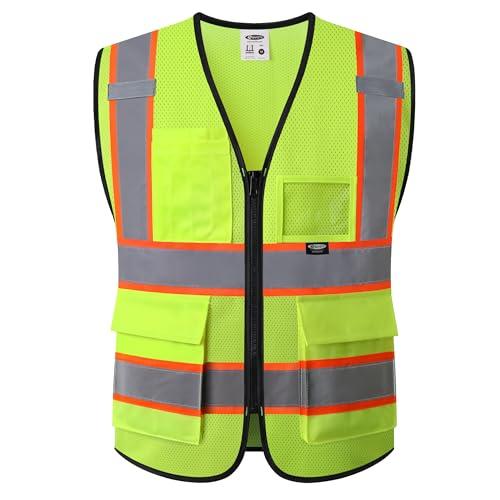
ANSI/ISEA 107 classifies high-visibility apparel by how much background and retroreflective material it carries and where that material sits. Class 2 is the common site vest. Class 3 requires substantially more material and sleeve coverage, which is why Class 3 garments have sleeves or sleeve bands and Class 2 vests do not. Class 3 is what roadway work, night work and anywhere traffic moves at speed generally calls for. There are also types: Type R for roadway exposure, Type O for off-road, Type P for public safety.
Two consequences people miss. First, a Class 2 vest does not become Class 3 by being brighter, newer or a different shade - the class is a measured area of material. Second, pulling a vest over a bulky winter coat can defeat the class it was certified at, because the coat changes how much of the hi-vis material is actually presented. In cold weather an integrated garment is the cleaner answer, which is the argument in our hi-vis jackets and vests picks.
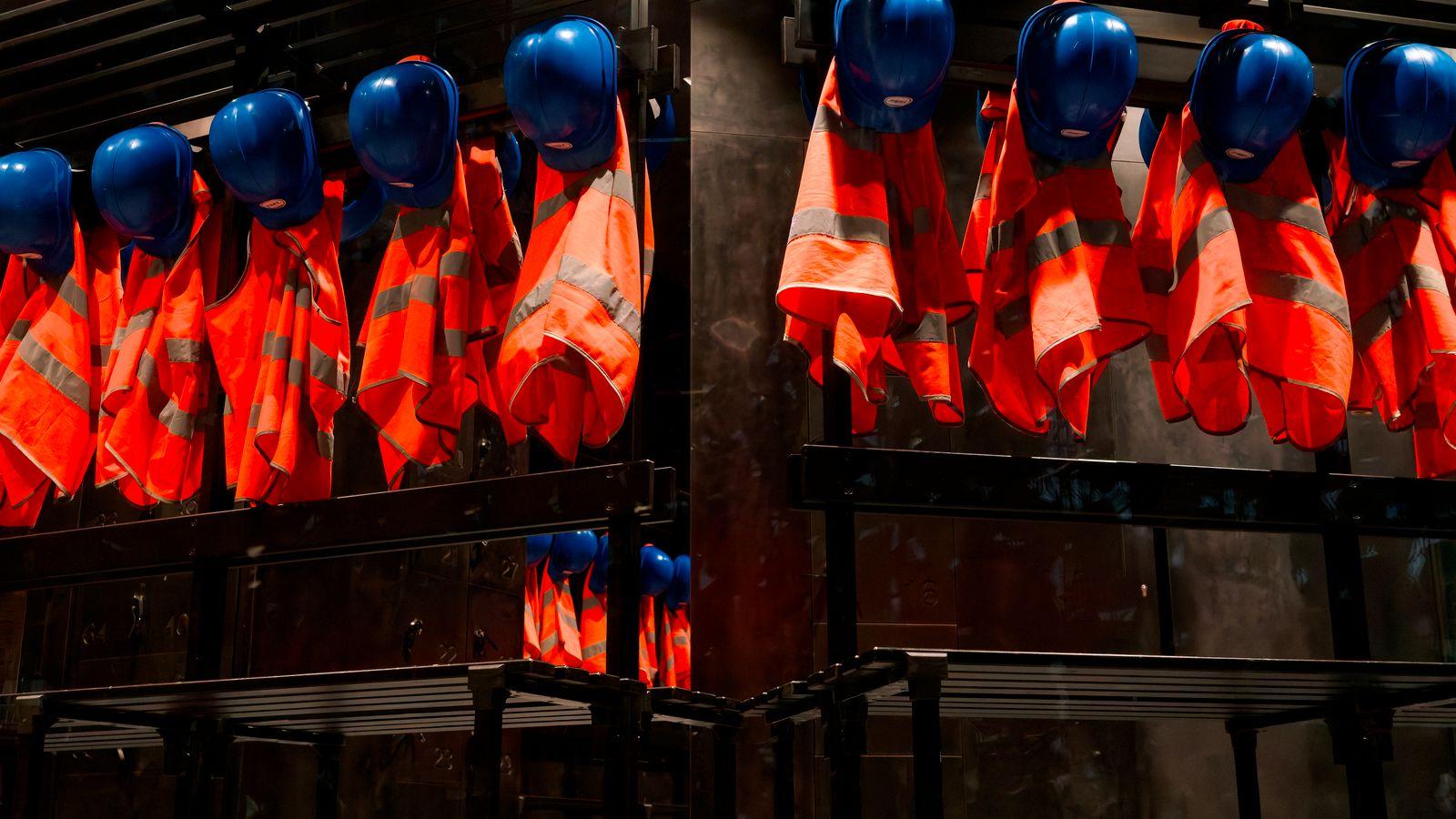
The least intuitive thing about this category: none of it lasts. Retroreflective tape cracks, fades and clogs with oil, and once it has, the garment no longer performs at night even though it still looks fluorescent in daylight. Hard hat shells degrade under UV - which is why 3M puts a UV sensor on the brim of some models - and suspensions stretch. Manufacturers publish replacement intervals for both the shell and the suspension, and any hat that takes a real impact is finished regardless of how it looks. Budget for replacement rather than for the best possible single purchase.
If you are building out the rest of your kit, work gloves by hazard covers cut, impact, heat and cold - including the full ANSI/ISEA 105 A1-A9 cut scale, which is the fourth standard worth learning. Work boots by trade handles the footwear side, and ASTM F2413 safety ratings explained decodes the marking inside a boot the same way this page decodes the one inside a hard hat.
Every pick here is researched from the maker's published specifications, checked against the governing standard, weighed against verified owner feedback at volume, scored on the rubric on our methodology page, and priced from a live lookup. On this hub in particular, every Z89.1 and ANSI/ISEA 107 class we state is one we verified from the manufacturer - on head and eye protection a class is a safety claim rather than a spec detail, so where the maker does not publish one the page sends you to the stamp on the product, which is the authoritative source anyway.