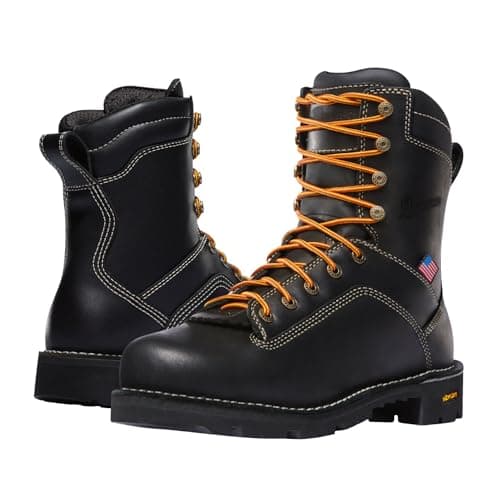
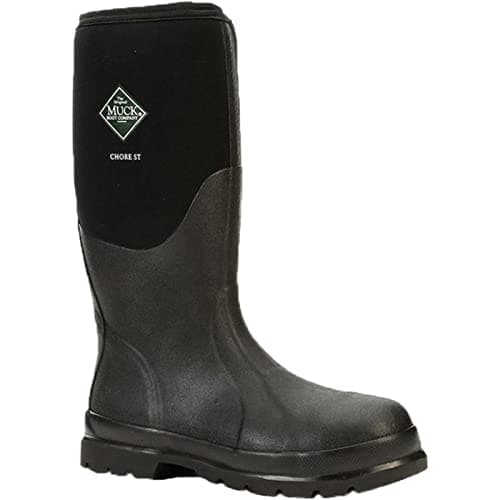
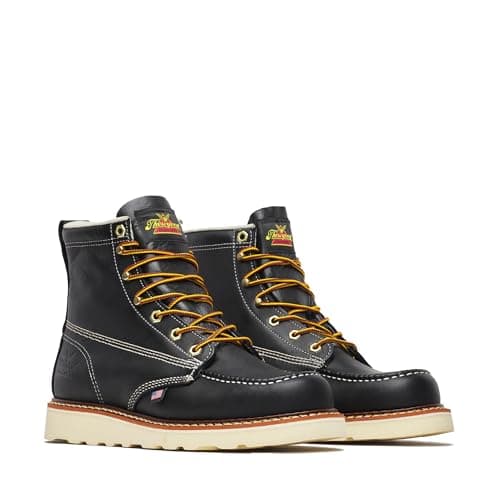
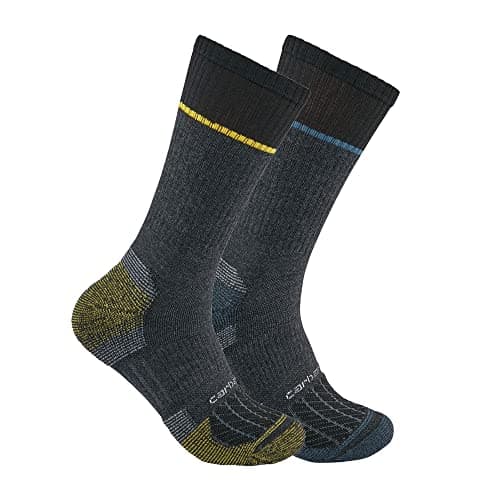
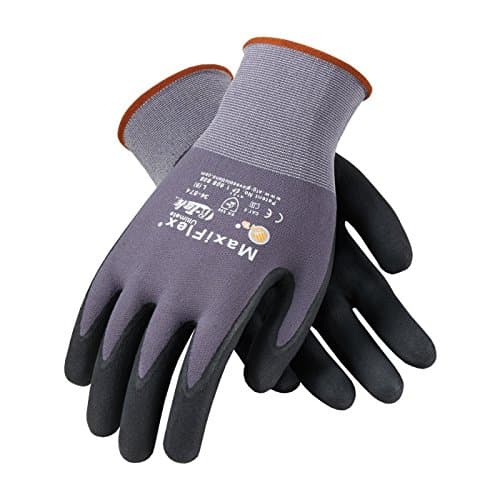
Best for landscaping
Best Work Boots for Landscaping
Wet grass at seven in the morning, dust by two. Drainage matters more than waterproofing.
Landscaping has a seasonal footwear problem that most trades do not. In spring you are in saturated ground and standing water; in summer you are in heat and dust; and every single morning, whatever the season, you are walking through soaking wet grass before nine o'clock. One boot does not cover that well, and the crews who are comfortable are usually the ones running two pairs.
Why lugs are right here and wrong elsewhere
Traction works two different ways depending on the surface. On hard surfaces it is friction - rubber contact area and compound - which is why roofers and finish carpenters prefer flat wedges. On soft surfaces it is mechanical interlock: the lugs push into the turf or soil and the material itself resists. Wet grass is a soft surface with a slick film on top, which makes it the single best case for a deep, widely spaced lug pattern.
Spacing matters as much as depth, because closely spaced lugs pack with mud and turn into a smooth sole. Widely spaced lugs self-clear. Work boot sole types covers the geometry.
Quick picks
Ranked by our published scoring rubric. Tap any row for the full write-up.
| # | Product | Best for | Score | Price |
|---|---|---|---|---|
| 1 | 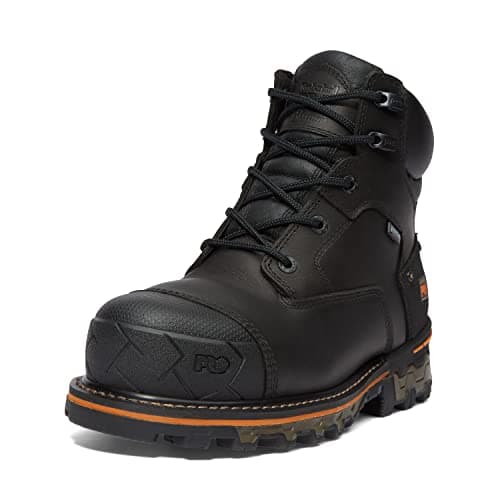 Timberland PRO Boondock 6" Composite Toe WaterproofWaterproof with an aggressive lug - the right combination for mud and dew. | All-day crew work on mixed ground | 8.5 | |
| 2 | 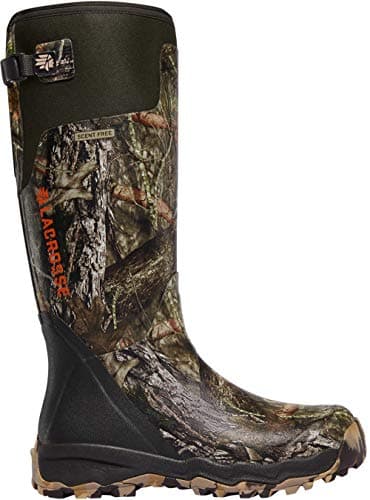 LaCrosse Alphaburly Pro 18" Rubber BootWhen the ground is genuinely saturated, rubber beats every membrane. | Standing water, irrigation and spring mud | 8.1 | |
| 3 | 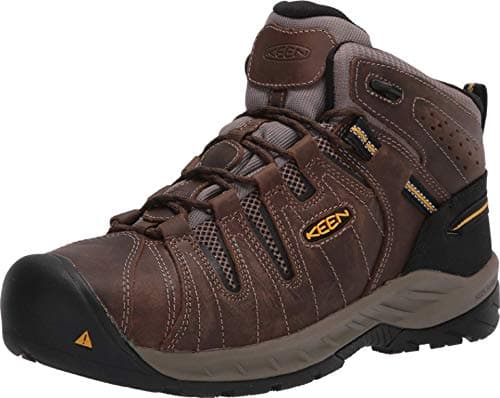 KEEN Utility Flint II Mid Steel ToeUnlined and light - the pair for July, when a membrane becomes the problem. | Summer mowing and dry-season work | 7.7 | |
| 4 | 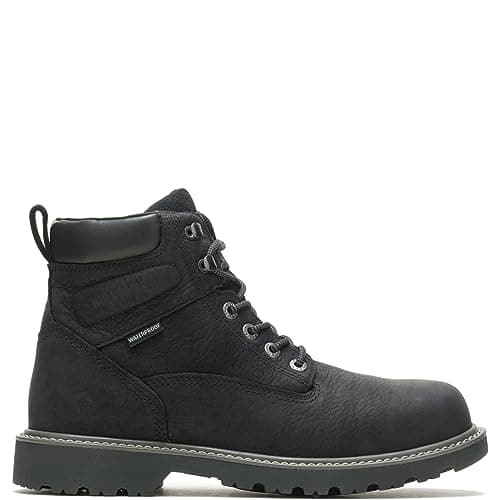 Wolverine Floorhand 6" Steel Toe WaterproofWaterproof, steel toe, full-grain leather, at a price that survives the season. | A cheap waterproof daily | 7.9 |
#ad Prices pulled from Amazon and stamped as of October 6, 2026; they change, and we show no number we cannot verify. How we are funded.
Top pick · All-day crew work on mixed ground
Timberland PRO Boondock 6" Composite Toe Waterproof
Waterproof with an aggressive lug - the right combination for mud and dew.
Landscaping is one of the few trades where a deep lug sole is unambiguously correct. You are on wet grass, soft soil, mulch beds and mud, all of which grip by mechanical interlock - the lugs sink in and push against the material. A flat wedge slides on wet turf in a way that is genuinely unsafe on a slope.
The Boondock pairs that lug pattern with a waterproof membrane and a gusseted tongue, which is what keeps morning dew out. Heavy and stiff, which matters less when you are walking all day on soft ground rather than standing on concrete.
Specs that matter
- Toe:
- Composite toe, ASTM F2413
- Height:
- 6 inch
- Waterproof:
- Yes, membrane lined
- Sole:
- Aggressive lug, slip and oil resisting
Our scoring
- Grip on wet grass
- 9.4
- Waterproofing
- 9.0
- Durability
- 9.0
- Breathability
- 5.6
- Value
- 7.6
What works
- Composite toe is non-metallic, so it clears metal detectors and conducts less cold
- Waterproof membrane plus a gusseted tongue genuinely keeps water out
- Outsole bites on broken ground where a wedge slides
What to know
- Heavy and stiff — a hard boot to stand on concrete in all day
- Long break-in; the outsole stays rigid for weeks
- Lug pattern tracks mud indoors
No. 2 · Standing water, irrigation and spring mud
LaCrosse Alphaburly Pro 18" Rubber Boot
When the ground is genuinely saturated, rubber beats every membrane.
Irrigation work, drainage installs, pond work and spring mud all put you in standing water, and that is where a membrane boot loses: water comes over the collar, gets trapped inside, and the boot stays wet for days. A rubber boot cannot wet out and rinses clean with a hose.
Eighteen inches clears deeper water than a standard wellington, and the adjustable rear gusset solves the calf-fit problem that makes most rubber boots either fall off or cut in. Soft toe on this model, and hot for walking distances - keep it as the wet-work pair.
Specs that matter
- Toe:
- Soft toe (this model)
- Height:
- 18 inch
- Waterproof:
- Fully waterproof rubber
- Fit:
- Adjustable rear gusset
Our scoring
- Grip on wet grass
- 8.4
- Waterproofing
- 9.8
- Durability
- 8.4
- Breathability
- 3.5
- Value
- 8.0
What works
- Adjustable gusset solves the calf-fit problem that ruins most rubber boots
- 18 inches clears deeper water than a standard wellington
- Insulated versions handle genuine cold
What to know
- No safety toe on this model
- Heavy and hot for walking distances
- Expensive for a rubber boot
No. 3 · Summer mowing and dry-season work
KEEN Utility Flint II Mid Steel Toe
Unlined and light - the pair for July, when a membrane becomes the problem.
By midsummer the morning dew is gone by nine and the rest of the day is heat and dust. A waterproof membrane in those conditions is just a sweat trap, and crews who wear one boot year-round spend half the season with wet feet for no reason.
An unlined, breathable, light steel-toe boot is the honest summer answer. It wets through in morning grass - that is the trade - but it dries in an hour rather than a day.
Specs that matter
- Toe:
- Steel toe, ASTM F2413
- Height:
- Mid
- Waterproof:
- No — unlined for airflow
- Electrical hazard:
- EH rated
Our scoring
- Grip on wet grass
- 7.4
- Waterproofing
- 4.0
- Durability
- 7.6
- Breathability
- 9.4
- Value
- 8.4
What works
- No membrane, so it genuinely breathes in summer
- One of the lighter steel-toe boots on the market
- KEEN's wide toe box without the waterproof weight penalty
What to know
- Zero water resistance beyond the leather itself
- Low shaft offers little ankle protection
- Thin stock footbed
Best value · A cheap waterproof daily
Wolverine Floorhand 6" Steel Toe Waterproof
Waterproof, steel toe, full-grain leather, at a price that survives the season.
#ad No buyable offer at the last price check. How we are funded
- Our score
- 7.9/10
Landscaping destroys boots faster than most trades - constant wet-dry cycling, abrasive soil, string trimmer impacts, and mud that dries hard in the leather. That argues for a boot you can replace annually without pain rather than a premium pair you nurse.
This is waterproof and safety-rated with a genuine full-grain upper at an entry price. The membrane will wet out before the upper fails, which for a seasonal boot is an acceptable lifecycle.
Specs that matter
- Toe:
- Steel toe, ASTM F2413
- Height:
- 6 inch
- Waterproof:
- Yes
- Upper:
- Full-grain leather
Our scoring
- Grip on wet grass
- 7.8
- Waterproofing
- 8.0
- Durability
- 7.4
- Breathability
- 5.6
- Value
- 9.2
What works
- Waterproof and safety-rated at an entry price
- Full-grain leather rather than split or synthetic
- Cushioned footbed is better than most boots at the price
What to know
- Membrane life is the weak point — expect it to wet out before the upper fails
- Steel toe is cold in winter
- Thin outsole for heavy industrial ground
Drainage: the spec nobody lists
Everyone shops for waterproofing. Almost nobody thinks about what happens after the boot gets wet anyway - and in landscaping it will. A membrane-lined boot that takes water over the collar now has that water sealed inside, and since the membrane blocks vapor in both directions, it can take days to dry. Two consecutive wet mornings and you are in wet boots all week, which is how trench foot and fungal infections actually happen in this trade.
- Keep two pairs and alternate them, so each gets a full day to dry. This is the single most effective thing you can do.
- Pull the insoles out every night - a boot with the insole in dries at a fraction of the rate.
- Never dry boots on a heater or in direct heat: it cracks leather and can delaminate adhesives. See boot care and conditioning.
- Use merino or synthetic socks and change them midday in wet seasons: socks for sweaty feet.
The hazards are real, not theoretical
Landscaping has genuinely high foot-injury exposure. Mower blades and string trimmers are the obvious ones, but dropped pavers, stone and equipment do as much damage, and a safety toe is the baseline. If you handle hardscape materials - pavers, retaining blocks, natural stone - the hazard is above your toes as well, which makes a metatarsal guard worth considering. Hands take thorn, blade and vibration damage, so see gloves for construction.
What we would skip
Skip flat wedge soles for turf work - they slide on wet grass and on slopes that is a fall rather than a slip. Skip insulated boots for anything but genuine winter work; most landscaping happens in warm weather and insulation has nowhere to go. Skip suede and nubuck uppers, which absorb mud and never recover. And skip trying to make one pair cover both the April drainage install and the July mowing season.
Frequently asked
What boots are best for landscaping?
A waterproof safety-toe boot with a deep, widely spaced lug sole for most of the year, plus a tall rubber boot for saturated ground and irrigation work. In high summer an unlined breathable boot is more comfortable than a membrane, which traps sweat once the dew has gone.
Should landscaping boots be waterproof?
For spring, autumn and every wet morning, yes. But plan for the boot getting wet anyway - rotate two pairs, pull the insoles out nightly, and never dry boots with direct heat. A membrane boot swamped over the collar stays wet for days, which is the real hazard.
Do landscapers need steel toe boots?
The hazards justify it: mower blades, string trimmers, dropped pavers and stone are all routine. Many employers require ASTM F2413 safety-toe footwear for crew work. If you handle hardscape materials regularly, consider metatarsal protection too, since a toe cap does not protect the top of the foot.
How do I stop my feet getting soaked in wet grass?
A waterproof boot with a gusseted tongue handles dew well. Beyond that, the practical measures matter more: rotate two pairs so each dries fully, change socks at midday in wet seasons, wear merino or synthetic rather than cotton, and keep a rubber pull-on in the truck for genuinely saturated work.
Sources
Back to Work Boots, or see how we pick. Spotted something wrong? We publish corrections — see our editorial policy.