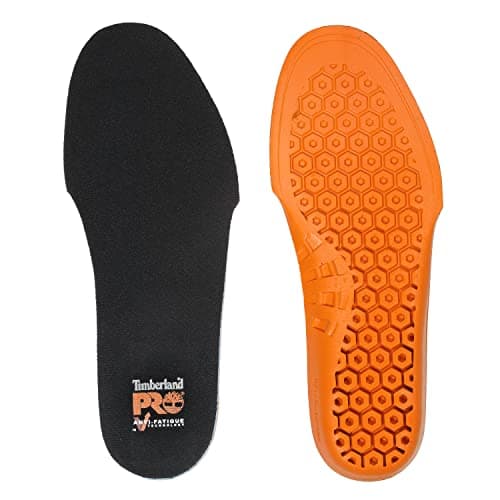
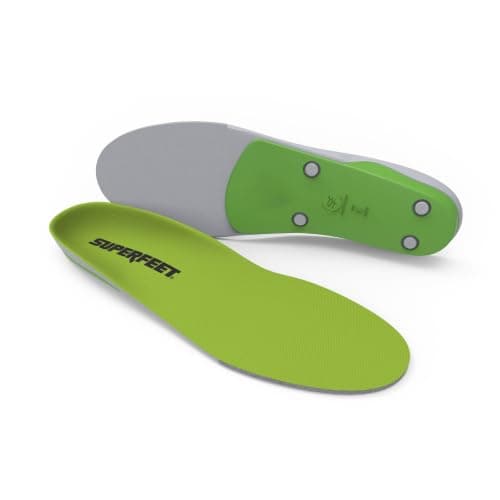
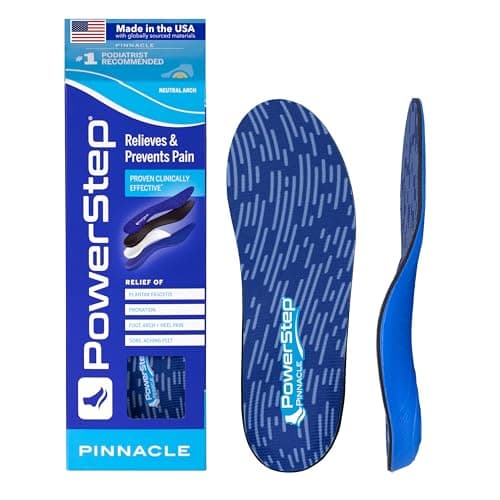
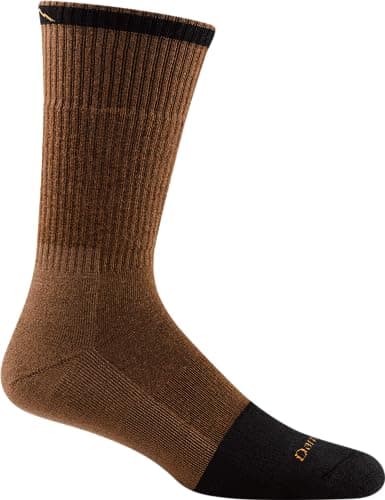
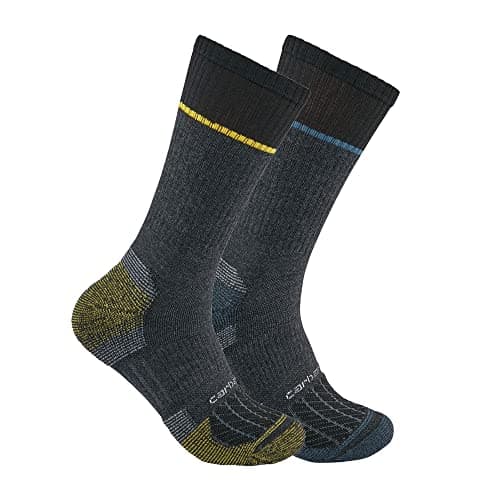
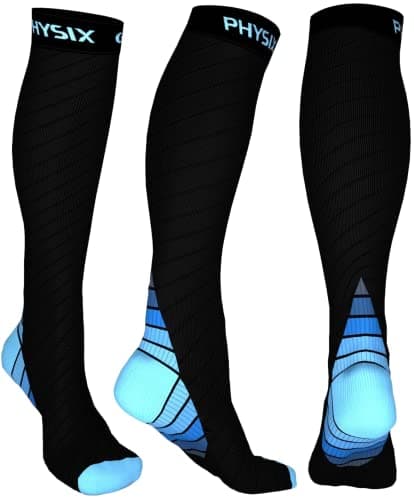
Here is the thing almost nobody tells you when your feet hurt: the stock insole that came in your boots is a piece of thin die-cut foam that exists to make the boot shippable. It is not a comfort component. Boot makers know most buyers will never look at it, so there is no reason to spend money there. Which means for most people with sore feet, the highest-return purchase available is not a different pair of boots - it is twenty-five dollars of insole and a decent pair of socks in the boots they already own.
This hub exists because no one else connects these two decisions to the boot decision. If you landed here from boots for standing on concrete or boots for plantar fasciitis, this is the other half of that purchase, and honestly the half with the better return on money.
Cushion and support are different things
This is the distinction that makes insole shopping make sense. A cushioning insole is soft foam or gel: it feels wonderful in the shop, absorbs impact, and does nothing to control how your foot moves. A support insole is a rigid or semi-rigid shell: it feels hard and slightly strange at first, controls arch collapse and heel movement, and is what actually helps structural foot pain. People with plantar fasciitis who buy a gel pad because it felt nicer on the shelf are the most common disappointed insole buyers there are.
Match the type to the problem. Fatigue from standing on an unforgiving slab is a cushioning problem: insoles for concrete. Arch collapse and overpronation are support problems: insoles for flat feet. Morning heel pain is a support problem with a cushioning component, which is why insoles for heel pain leans toward semi-rigid shells with a cushioned top layer. The full taxonomy is in insole types explained.
Socks do three jobs, and cotton fails at all three
A work sock manages moisture, pads pressure points, and stays put. Cotton does the opposite of all three: it absorbs sweat and holds it against your skin, which is how blisters and fungal problems start, and it loses its loft once wet so the padding disappears exactly when you need it. There is no situation in work footwear where a cotton sock is the right answer, and the brands know it - which is why every sock in best work socks is merino or a synthetic blend.
Merino regulates temperature in both directions and resists odor remarkably well, at a higher price and with slower drying. Synthetic blends dry much faster and are cheaper, at the cost of holding odor. If your problem is sweat specifically, that trade is the whole decision: socks for sweaty feet and socks for hot weather.
The safety-toe sock problem
If you wear steel or composite toes and your toenails are sore or going dark, the usual cause is your toes contacting the underside of a rigid cap. A sock with a genuinely reinforced, cushioned toe box puts a layer of padding exactly there and fixes a surprising number of these cases outright. That is a specific construction, not just a thick sock, and it is what socks for steel toe boots is about. If the nail is already discoloured, also re-check your boot length against fit and sizing - padding will not save a boot that is half a size short.
Compression: real, and frequently misunderstood
Graduated compression socks apply more pressure at the ankle than the calf, which assists venous return and reduces the leg swelling and heaviness that people who stand all day know well. The pressure band matters: 20-30 mmHg is the range usually studied for this purpose, and the token "compression" socks sold at 8-15 mmHg are mostly a snug sock. Our picks are in compression socks for work.
Two honest caveats. Compression is a medical intervention: if you have diabetes, peripheral arterial disease, neuropathy or any circulatory diagnosis, ask a clinician before wearing 20-30 mmHg socks, because in some conditions compression is contraindicated. And compression socks help leg fatigue, not foot pain - if your arches hurt, you need the insole, not the sock.
Common questions
How often should I replace work boot insoles?
Foam cushioning insoles compress and should be replaced every three to six months of daily wear - they stop working long before they look worn out. Rigid support insoles keep their shape far longer, often a year or more, and the top cover usually wears through before the shell fails.
Should I remove the original insole before adding a new one?
Yes, almost always. Stacking a new insole on top of the factory one raises your foot too far, tightens the boot across the instep and reduces toe clearance under a safety cap. Pull the old one out first, then fit the new one.
Are expensive insoles worth it?
For a structural problem like arch collapse or plantar fasciitis, yes - a rigid shell holds its shape for a year or more and a cheap gel pad will not help at all. For pure standing fatigue, a mid-priced cushioning insole replaced every few months is better value than a premium one you try to stretch over two years.
What socks are best for steel toe boots?
A merino or synthetic blend with a reinforced, cushioned toe box, in a midweight thickness. The reinforcement at the toe is the specific feature that matters, because it pads the contact point between your toes and the underside of the safety cap.
Do compression socks help if you stand all day?
For leg swelling, heaviness and aching calves, 20-30 mmHg graduated compression socks are the intervention with the best support behind them. They do not address arch or heel pain, which is an insole problem. If you have a circulatory condition or diabetes, check with a clinician first.