Best heated jackets
Best Heated Work Jackets
Heated work jackets compared on battery platform and shell quality - the two things that decide daily use.
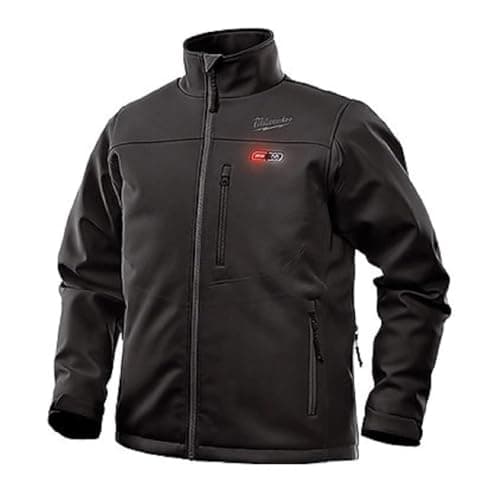
Top pick: Milwaukee M12 Heated TOUGHSHELL Jacket Kit
$226.54· Amazon4 shortlists · live Amazon prices
Battery heat is not a gimmick once it is genuinely cold. It is also easy to buy the wrong piece first.
Best heated jackets
Milwaukee M12 Heated TOUGHSHELL Jacket Kit
#ad Price as of October 6, 2026. How we are funded
Best heated jackets
Heated work jackets compared on battery platform and shell quality - the two things that decide daily use.
Top pick: Milwaukee M12 Heated TOUGHSHELL Jacket Kit
$226.54· Amazon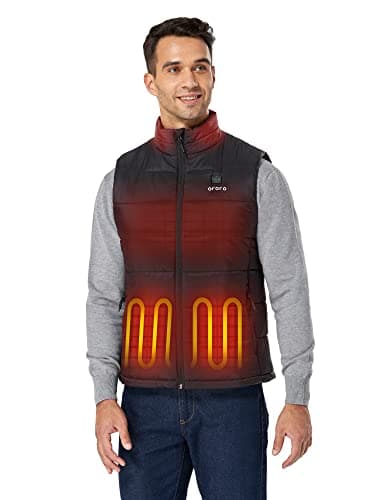
Best heated vests
Heated vests - the first heated purchase most people should make, and why.
Top pick: ORORO Men's Lightweight 4-Zone Heated Vest
$149.99$169.99· Amazon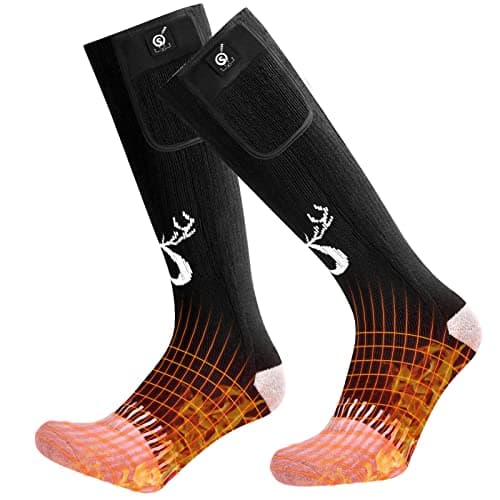
Best heated socks
Battery-heated socks for static cold work - with the boot-room constraint that decides whether they work.
Top pick: SNOW DEER Rechargeable Electric Heated Socks
$79.99· Amazon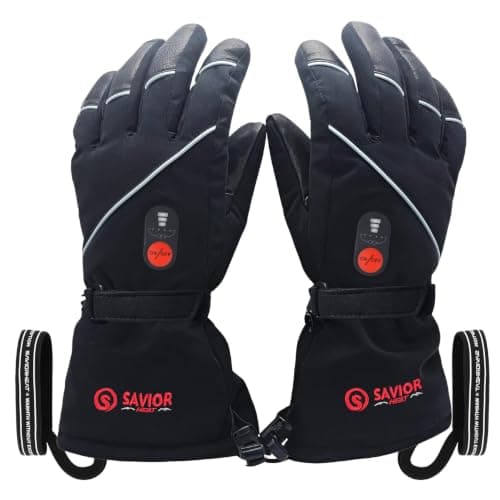
Best heated gloves
Battery-heated gloves judged on whether the element reaches the fingertips - plus the cheaper alternative.
Top pick: SAVIOR HEAT Rechargeable Heated Leather Gloves
$129.99$149.99· Amazon
Battery-heated workwear sounds like a novelty right up until the first morning you work outside at twenty degrees, and then it stops being funny. Insulation only slows the loss of heat your body is making; once your hands and feet have stopped producing enough, more layers do not fix it. A heating element adds heat, which is a categorically different thing - and it is why heated gear works for people standing still in the cold and matters much less for people working hard enough to stay warm.
That is also the first filter. If you are moving all day, you probably need better layering, not batteries. If you spend hours relatively static in the cold - equipment operators, flaggers, security, inspectors, anyone waiting on a crane - heated gear will change your winter.
Almost everyone buys a heated jacket first, and it is usually the wrong first purchase. Two reasons. A heated vest layers underneath the work coat you already own, costs less, leaves your arms completely unrestricted for tool work, and heats your core - which is what drives your body's decision to send blood back to your hands. And if your actual complaint is cold feet or cold hands, a jacket does nothing for either: heated socks and heated gloves address the extremity directly.
A heated jacket is the right buy when you need the heat and the shell together - when your outer layer is the thing failing you in wind and wet. It is the most expensive entry point in this category, so it is worth being sure.
This is the part people underweight and regret. Heated garments split into two camps. Consumer platforms come with their own proprietary battery pack included - one charger, one battery, works out of the box, and useless with anything else you own. Tool platforms run on the same batteries as your cordless tools, so if you already have M12 or 20V MAX packs charging every night, your jacket just joins the rotation and you are never without a charged battery.
If you own the tool platform, the tool-brand garment is almost always the better buy despite the higher sticker price, because battery logistics are what actually make or break daily use. If you do not, do not buy into a platform for a jacket - take the consumer option with the battery in the box.
Garments advertise heating zones, and the number has become a spec-sheet arms race. What actually matters is where the elements are, not how many there are. Core coverage across the chest and mid-back does most of the work. A collar element is the one people consistently notice. A garment advertising fifteen zones is usually subdividing the same area that a four-zone garment covers - and we say so on the vest page rather than treating a bigger number as a better product.
None of this gear is flame resistant, and heated garments have batteries and wiring in them. Do not wear them for hot work, welding, or anywhere an FR garment is required - the heating element and battery make them worse than an ordinary garment in that setting, not just non-compliant. Nor is any of it a substitute for keeping dry: a wet layer under a heated vest will still cost you more heat than the element puts in.
And it does not replace the boots. If your feet are cold, start with the boot: winter work boots explains why a removable liner that dries overnight matters more than the insulation rating, and heated socks work far better in a boot that has room for them than in one that is already snug. For hands, make sure the problem really is temperature and not a glove that is soaked through - see cold weather work gloves first.
Manufacturer figures assume the lowest setting. In practice expect roughly two to three hours on high, four to six on medium, and the advertised figure only on low. If you need all-day heat on a high setting, budget for a second battery.
A vest first, for most people. It costs less, layers under the work coat you already own, leaves your arms free for tool work, and heats your core - which is what drives circulation back to your hands. Buy the jacket when you need the heating element and a weatherproof shell in one garment.
Most heated garments are machine washable once the battery is removed, on a gentle cold cycle, air dried. Never wash with the battery connected and never tumble dry - the heat and tumbling damage the element wiring. Check the specific garment's label, because a few are hand wash only.
No. Heated garments are not flame resistant and contain batteries and wiring. Anywhere an FR garment is required, or near open flame, sparks or molten metal, wear certified flame-resistant clothing instead.