Best for construction
Best Work Gloves for Construction
General construction gloves balancing grip, dexterity and impact protection - plus the buy-by-the-dozen economics.
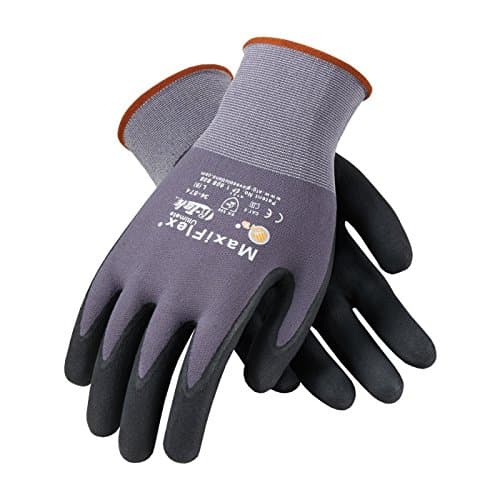
Top pick: MaxiFlex Ultimate 34-874 Nitrile-Coated Gloves
$50.22· Amazon10 shortlists · live Amazon prices
Gloves protect against one hazard at a time. Pick the hazard first, then the glove.
Best for construction
MaxiFlex Ultimate 34-874 Nitrile-Coated Gloves
#ad Price as of October 6, 2026. How we are funded
Best for construction
General construction gloves balancing grip, dexterity and impact protection - plus the buy-by-the-dozen economics.
Top pick: MaxiFlex Ultimate 34-874 Nitrile-Coated Gloves
$50.22· AmazonBest for electricians
Mechanical gloves for pulling wire, cutting conduit and handling strut - with the insulating-glove distinction made clearly.
Top pick: MaxiFlex Ultimate 34-874 Nitrile-Coated Gloves
$50.22· Amazon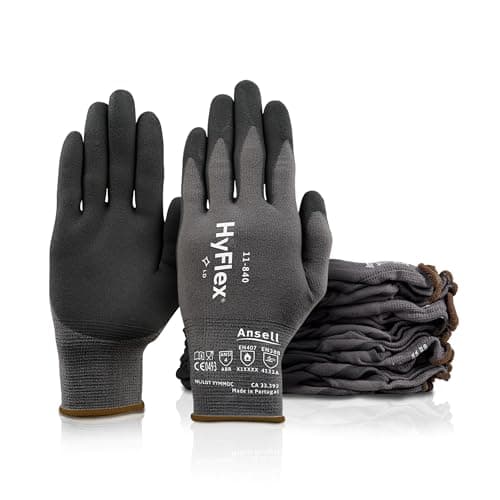
Best for mechanics
Nitrile and foam-coated gloves with oily grip and real fingertip feel - plus impact protection for heavy work.
Top pick: Ansell HyFlex 11-840 Foam Nitrile Gloves
$41.49· Amazon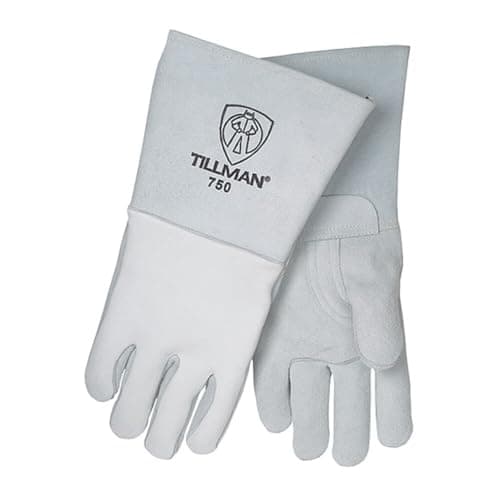
Best welding gloves
Welding gloves matched to process - with the leather, length and stitching details that decide them.
Top pick: Tillman 14" Premium Elkskin Stick Welding Gloves
$42.87$47.17· Amazon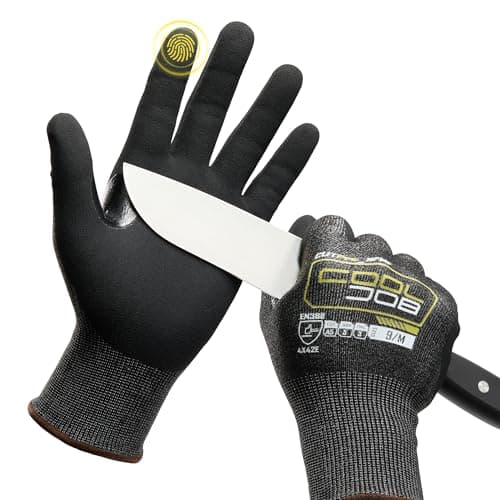
Best cut-resistant gloves
Gloves with genuine ANSI cut ratings for glass, sheet metal and blade work - and the levels decoded.
Top pick: COOLJOB A5 Cut-Resistant Gloves (Fiberglass-Free)
$8.99· Amazon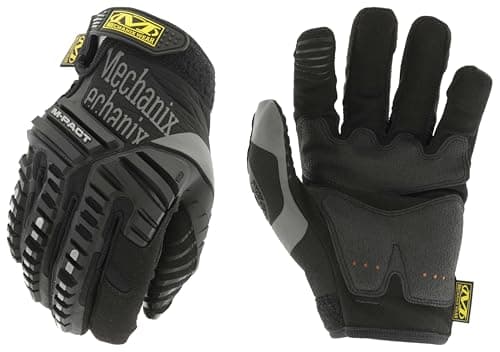
Best impact gloves
TPR-armored gloves for crush, pinch and knuckle injuries - the hazard cut gloves ignore entirely.
Top pick: Mechanix Wear M-Pact Impact-Resistant Gloves
$31.79· Amazon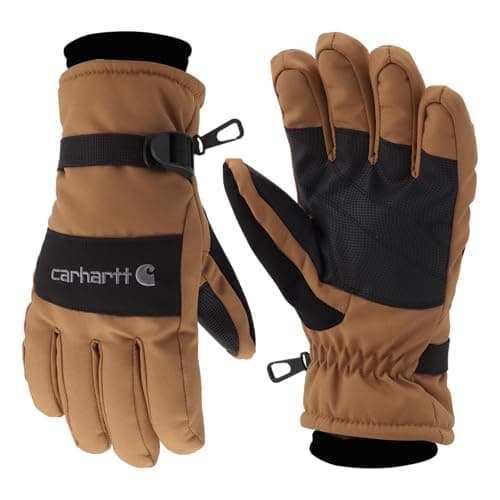
Best for cold weather
Insulated and waterproof work gloves, with the point at which heated gloves become the better answer.
Top pick: Carhartt Waterproof Insulated Knit-Cuff Glove
$34.13· AmazonBest for hot weather
Breathable, lightweight gloves for summer work - where a sweat-soaked glove is worse than a thin one.
Top pick: MaxiFlex Ultimate 34-874 Nitrile-Coated Gloves
$50.22· Amazon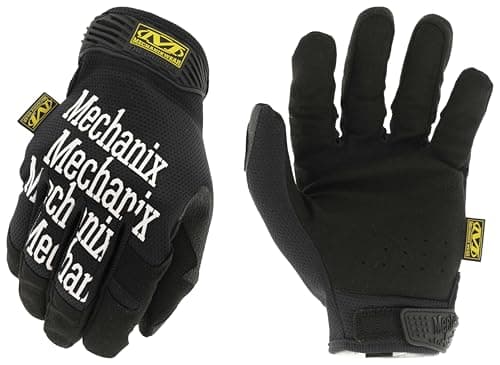
Best for blisters
Snug, low-friction gloves that stop blisters - plus why a padded loose glove is the wrong answer.
Top pick: Mechanix Wear The Original Work Gloves
$22.99· Amazon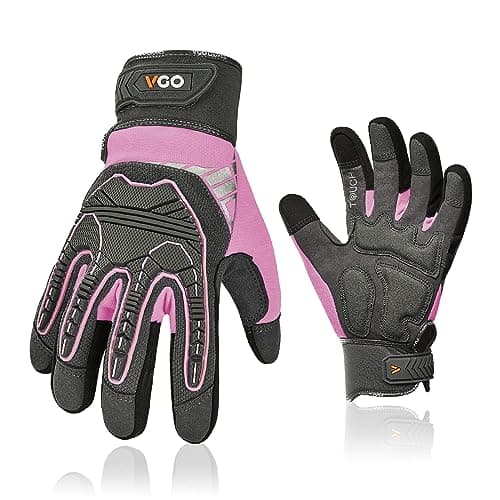
Best women's work gloves
Gloves cut on women's hand patterns, with the measuring method that ends the guesswork.
Top pick: Vgo Women's Work Gloves (Touchscreen)
$34.98· Amazon
Gloves are the piece of PPE people get most wrong, and the reason is simple: a glove protects against one hazard well and the others barely at all. An impact glove with armored knuckles will not stop a blade. An ANSI A5 cut glove will not stop a hammer blow. A thin nitrile-dipped glove gives you the dexterity to hold a washer and no protection against anything. None of these is a bad glove. They are answers to different questions.
So before anything else: name the hazard you actually face most often. Not the worst thing that could theoretically happen - the thing that happens weekly. Then buy for that, and keep a second pair for the exception.
Cut is the one with a real standard behind it. ANSI/ISEA 105 rates cut resistance from A1 to A9 against a measured gram load, and the jump from A1 to A5 is enormous even though the gloves look similar on a shelf. Most coated work gloves are A1, which is close to nothing. If you handle glass, sheet metal, blades or banding you want A4 or above: cut-resistant gloves covers it, and ANSI cut levels explained has the full A1-A9 table.
Impact means crushed and pinched hands, which is the most common hand injury on a construction site and has nothing to do with cuts. The fix is thermoplastic rubber armor over the knuckles and fingers: see impact gloves. Heat is welding, and it is a question of leather type, glove length and stitching thread - cotton thread burns through, Kevlar thread does not, which is the detail we lean on in welding gloves. Cold is its own category, where the trade is warmth against dexterity: cold weather work gloves, and when gloves alone stop working, heated work gloves.
The best glove in the world does nothing in your back pocket. The most common reason people work bare-handed is that their gloves are too clumsy for the task, so they take them off for the fiddly bit - which is usually the dangerous bit. This is why thin nitrile-coated gloves like the ones in our mechanics and construction lists earn their place despite offering almost no cut protection: a glove you keep on beats a glove you remove.
It also means fit is not cosmetic. A glove that is too big bunches in the palm and costs you grip; too small and your fingertips are pulled out of the tips, which is where you need feel most. Most brands publish a hand-circumference chart; measure once and stop guessing.
Two things worth stating plainly, because the marketing blurs them. First, none of the gloves on this site are electrical insulating gloves. Rubber insulating gloves for live work are a separate class of PPE tested to ASTM D120 with voltage classes and mandatory retesting intervals, and no leather or coated glove substitutes for them. Our gloves for electricians list is about the mechanical gloves electricians wear for the other 95% of the job - pulling wire, handling strut, cutting conduit - and we say so on the page.
Second, a cut level is not a puncture level. ANSI/ISEA 105 rates them separately, and a glove can be excellent at resisting a slicing blade while a nail goes straight through it. If your hazard is puncture, you need a glove rated for puncture specifically.
For most trades the sensible kit is two pairs plus a seasonal third. A thin coated glove bought by the dozen for everyday handling, because at a few dollars a pair you replace them the moment the coating wears rather than nursing them along. One good pair matched to your real hazard - impact, cut or heat. And an insulated pair for winter. Buying coated gloves in dozen packs changes the economics completely: see the per-pair maths on the construction gloves page.
If you also need the rest of the kit, our work pants and work boots hubs are organized the same way, and blister prevention covers the one glove problem that is about friction rather than hazard. Women's sizing is genuinely scarce in this category and mostly consists of resized men's patterns, which is why women's work gloves is a separate list.
A1 to A3 covers general handling where the risk is scrapes and the odd nick. A4 to A5 is the band for glass, sheet metal, banding and blade work, and it is where most people who think they need cut protection actually sit. A6 to A9 is for heavy blade and glass handling. Going higher than you need costs you dexterity, which has its own safety cost.
No. Cut resistance is measured as the gram load a blade needs to cut through at a fixed distance - higher levels take more force, but every level can be cut with enough. They buy you time and turn a severing injury into a scratch; they are not armor.
Most coated and synthetic gloves are machine washable cold and should be air dried, which restores a surprising amount of grip by clearing the coating of dust. Leather gloves generally should not be machine washed; they stiffen and shrink. Welding gloves should never be washed.
The gloves on this site do not. Electrical protection requires rubber insulating gloves tested to ASTM D120 with a voltage class rating and periodic retesting, usually worn inside leather protectors. No work glove, however heavy, substitutes for them.