Best for apprentices
Best Gifts for a New Apprentice
They are missing the basics rather than upgrading them. That changes what to buy entirely.
Buying for someone starting in the trades is easier than buying for an experienced tradesperson, because they are missing things rather than already having opinions. The trick is knowing what their employer will provide, what they will be expected to buy themselves, and which of the unglamorous basics will make the biggest difference to a difficult first month.
What their employer probably supplies
Worth knowing so you do not duplicate it. Under OSHA's PPE rules, employers must generally pay for required protective equipment - hard hats, eye protection, hearing protection, high-visibility clothing, specialty footwear, and FR clothing where required.
There is a specific exception that catches people out: non-specialty safety-toe footwear that employees are permitted to wear off the jobsite does not have to be employer-paid, which is why most apprentices buy their own boots. Everyday work clothing is also not PPE. So the gap you are filling is boots and the things that go in and around them - which is exactly what this list covers. ASTM F2413 safety ratings explained covers the boot specs their site may require.
Quick picks
Ranked by our published scoring rubric. Tap any row for the full write-up.
| # | Product | Best for | Score | Price |
|---|---|---|---|---|
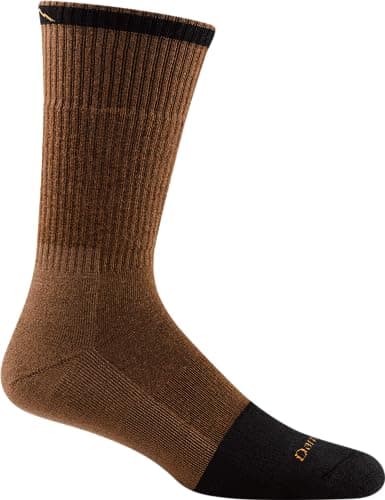
| 1 | 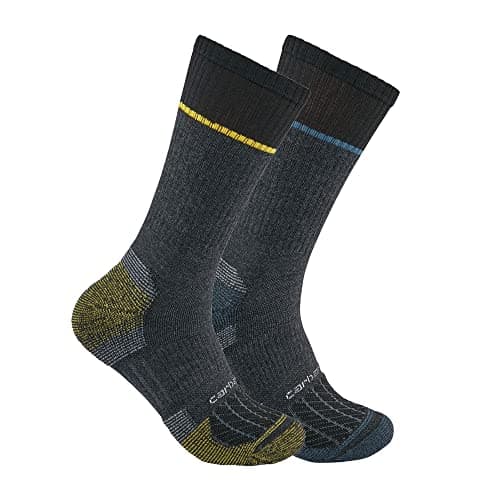 Carhartt Force Midweight Steel Toe Crew Sock (2-pack)Nobody starts a trade with enough work socks, and cotton socks will ruin their first month. | The thing they definitely do not have enough of | 9.2 | |
| 2 | 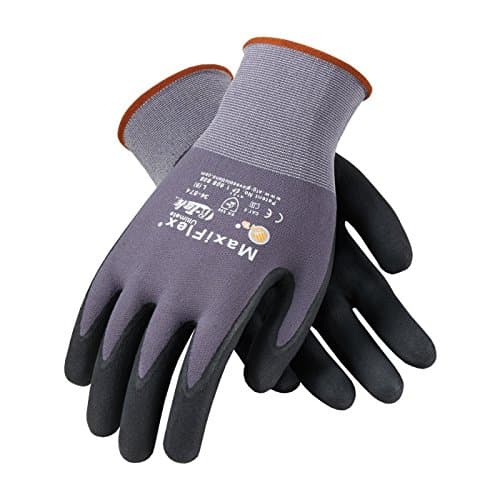 MaxiFlex Ultimate 34-874 Nitrile-Coated GlovesA dozen pairs of the glove every trade agrees on - and they will lose several. | Learning that gloves should stay on | 8.6 | |
| 3 | 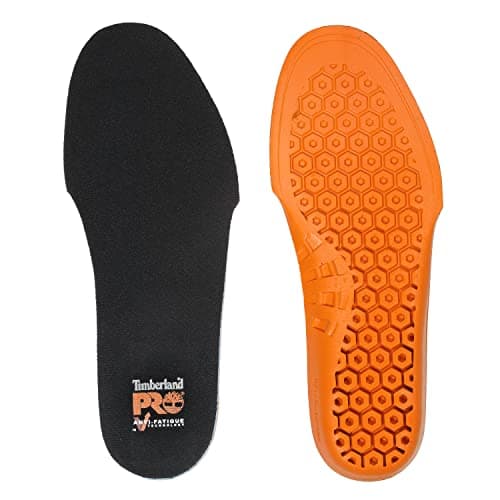 Timberland PRO Anti-Fatigue Technology Replacement InsoleTheir new boots came with shipping foam. This is the cheap fix nobody tells them about. | Surviving the first month on concrete | 8.6 | |
| 4 | 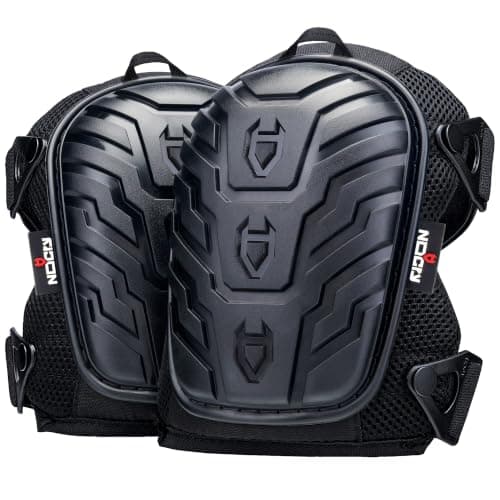 NoCry Professional Gel Knee PadsApprentices get the kneeling work. Starting with pads is better than starting without. | Protecting knees from day one | 8.4 |
#ad Prices pulled from Amazon and stamped as of October 6, 2026; they change, and we show no number we cannot verify. How we are funded.
Top pick · The thing they definitely do not have enough of
Carhartt Force Midweight Steel Toe Crew Sock (2-pack)
Nobody starts a trade with enough work socks, and cotton socks will ruin their first month.
The single most useful thing for someone starting out. New apprentices almost always begin in cotton socks, which hold sweat against the skin, lose their cushioning when damp and cause the blisters that make a first month miserable.
A synthetic blend with reinforcement at the toe and heel, sold in packs so they can actually own enough to change daily. Cheap enough to buy several packs, and sized by shoe-size band so the fit risk is low.
Specs that matter
- Fiber:
- Synthetic blend, FastDry finish
- Cushion:
- Midweight
- Toe:
- Reinforced for steel toes
- Pack:
- 2 pairs
Our scoring
- First-month need
- 9.5
- Sizing risk
- 9.0
- Employer unlikely to supply
- 9.4
- Durability
- 7.8
- Value
- 9.2
What works
- Dries far faster than merino after a sweaty shift
- Reinforced toe and heel where boots wear socks through
- Cheap enough to own ten pairs
What to know
- Synthetics hold odor more than merino
- Less temperature regulation than wool
- Elastic relaxes after a year of washing
No. 2 · Learning that gloves should stay on
MaxiFlex Ultimate 34-874 Nitrile-Coated Gloves
A dozen pairs of the glove every trade agrees on - and they will lose several.
New apprentices lose gloves at a remarkable rate and tend to work bare-handed because the gloves they have are too clumsy for what they are being asked to do. A thin, high-dexterity coated glove solves both: cheap enough to lose, good enough to keep on.
Buying a dozen pack changes the economics completely and teaches the right habit - replace a glove when the coating wears rather than nursing it. ANSI A1 only, so no real cut protection: gloves for construction.
Specs that matter
- Coating:
- Micro-foam nitrile, palm and fingers
- Liner:
- 15-gauge seamless knit
- Pack:
- Sold as 12 pairs
- Cut rating:
- ANSI A1 — minimal
Our scoring
- First-month need
- 9.0
- Sizing risk
- 8.6
- Employer unlikely to supply
- 7.4
- Durability
- 6.0
- Value
- 9.4
What works
- Dexterity close to bare hands — you can pick up a washer
- Breathable back, so hands do not swim in sweat
- Buying by the dozen drops the per-pair cost dramatically
What to know
- Almost no cut protection and no impact protection
- Nitrile coating fails within weeks on abrasive work
- Not waterproof and no warmth
No. 3 · Surviving the first month on concrete
Timberland PRO Anti-Fatigue Technology Replacement Insole
Their new boots came with shipping foam. This is the cheap fix nobody tells them about.
A first month in the trades is brutal on feet - unaccustomed hours standing on hard floors in new, stiff boots. Nobody tells apprentices that the insole in their boots is thin die-cut foam rather than a comfort component, and replacing it is the cheapest substantial improvement available.
Designed for static standing rather than walking impact, which is the right target. Low volume, so it fits most boots, and cheap enough to replace every few months: insoles for concrete.
Specs that matter
- Type:
- Cushioning insole with cone geometry
- Arch:
- Moderate contour
- Volume:
- Low to moderate
- Target:
- Standing fatigue
Our scoring
- First-month need
- 8.8
- Sizing risk
- 8.0
- Employer unlikely to supply
- 9.4
- Durability
- 6.4
- Value
- 9.2
What works
- Designed for static standing, which is the actual concrete problem
- Cheap enough to replace every few months
- Fits most boots without crowding the toe box
What to know
- Foam compresses within months of daily wear
- Little structural arch support
- Not an orthotic — will not fix plantar fasciitis alone
No. 4 · Protecting knees from day one
NoCry Professional Gel Knee Pads
Apprentices get the kneeling work. Starting with pads is better than starting without.
Apprentices are routinely given the tasks that involve kneeling - pulling wire along joists, under sinks, on floors - and they are the least likely to own pads. Since occupational kneeling is linked to higher rates of knee problems over a career, starting protected rather than catching up later genuinely matters.
Gel over foam, reinforced non-marking cap, dual straps so the pad does not rotate off the knee. Check the strap range if they have slim legs: knee pads for construction.
Specs that matter
- Cushion:
- Gel core over foam
- Cap:
- Reinforced, non-marking
- Straps:
- Dual adjustable straps
- Use:
- General construction
Our scoring
- First-month need
- 8.0
- Sizing risk
- 8.4
- Employer unlikely to supply
- 8.6
- Durability
- 8.0
- Value
- 8.8
What works
- Gel-over-foam spreads load better than foam alone
- Non-marking cap will not scar a finished floor
- Dual straps stop the pad rotating as you move
What to know
- Straps behind the knee chafe over a long day
- Bulky to walk in — you take them off between tasks
- Hard cap slides on smooth tile
Why socks are genuinely the top pick
It sounds like an underwhelming gift and it is the most useful thing on the page. Almost every new apprentice starts in cotton socks, because that is what is in their drawer - and cotton is the worst possible fiber for work footwear. It absorbs sweat and holds it against the skin, which makes damp skin that blisters far more readily, and it loses its loft when wet so the cushioning disappears several hours into a shift.
A first month in new stiff boots on hard floors is hard enough without that. Several packs of synthetic or merino work socks, enough to change daily, removes one of the main reasons people's feet hurt in week two: best work socks.
The boots question
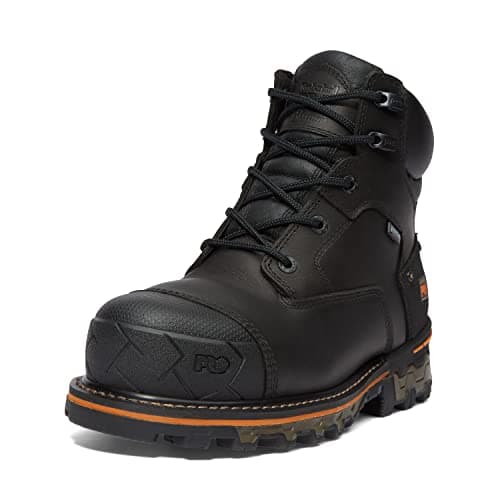
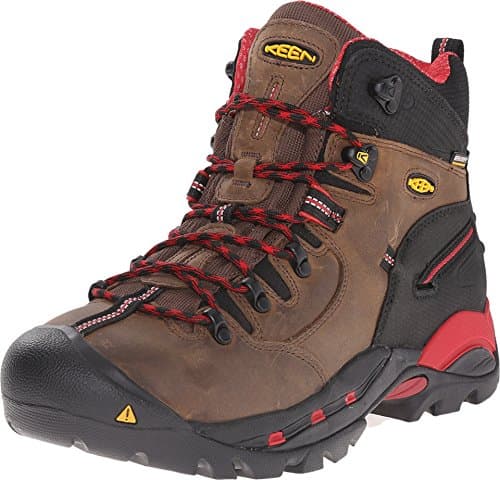
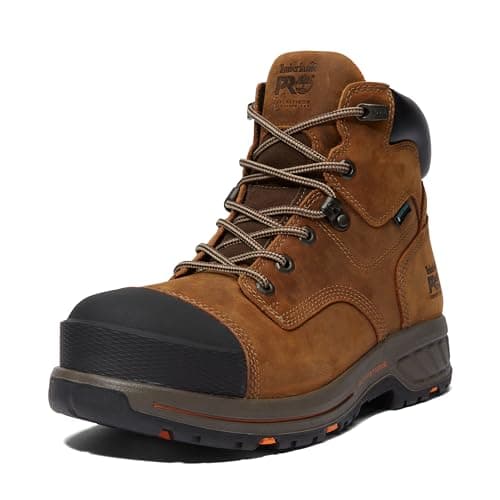
Do not buy their boots unless you know their size and the safety rating their site requires. Three things can go wrong: the wrong size, which a rigid safety toe makes genuinely painful; the wrong rating, which makes the boots unusable on their site; and the wrong style, since a wedge sole and a lugged sole suit completely different trades.
If boots are the plan, the better version is a gift card plus the socks and insole - which lets them buy the right boot and arrive with the parts that make it comfortable. If you want to point them somewhere, boots under $150 is where the compromises stop, and work boot fit and sizing is the guide that saves a bad first purchase.
What else helps in a first month
- A second pair of boots, eventually - rotating two pairs on alternate days is the most effective comfort measure there is, because boots absorb a lot of sweat and one night is not enough to dry them.
- A tape measure and a utility knife of decent quality, if they do not already have them.
- A good flashlight or headlamp, which every trade needs and few apprentices own.
- Knowing the standards. Pointing them at ASTM ratings and ANSI cut levels is free and more useful than most gear.
And if they have specifically mentioned their feet already, that is the clearest signal available: why work boots hurt works through the symptoms and the fixes, most of which cost less than new boots.
Frequently asked
What should I buy for someone starting an apprenticeship?
The basics they are missing rather than upgrades: several packs of proper work socks, a dozen pack of thin coated gloves, an insole to replace the shipping foam in their new boots, and knee pads if their trade involves kneeling.
Do employers pay for apprentices' work boots?
Usually not. Under OSHA's PPE rules employers must generally pay for required protective equipment, but there is a specific exception for non-specialty safety-toe footwear that employees may wear off the jobsite - which is why most apprentices buy their own boots.
Should I buy an apprentice their work boots?
Only if you know their size and the safety rating their site requires. The wrong rating makes the boots unusable and the wrong size is genuinely painful under a rigid safety toe. A gift card plus good socks and an insole is the better version of that gift.
What do new apprentices always forget to buy?
Enough work socks, and a proper insole. Most start in cotton socks, which cause blisters, and nobody tells them the insole in their new boots is thin shipping foam rather than a comfort component. Both are cheap and both transform a first month.
Sources
Back to Gifts for Tradespeople, or see how we pick. Spotted something wrong? We publish corrections — see our editorial policy.